


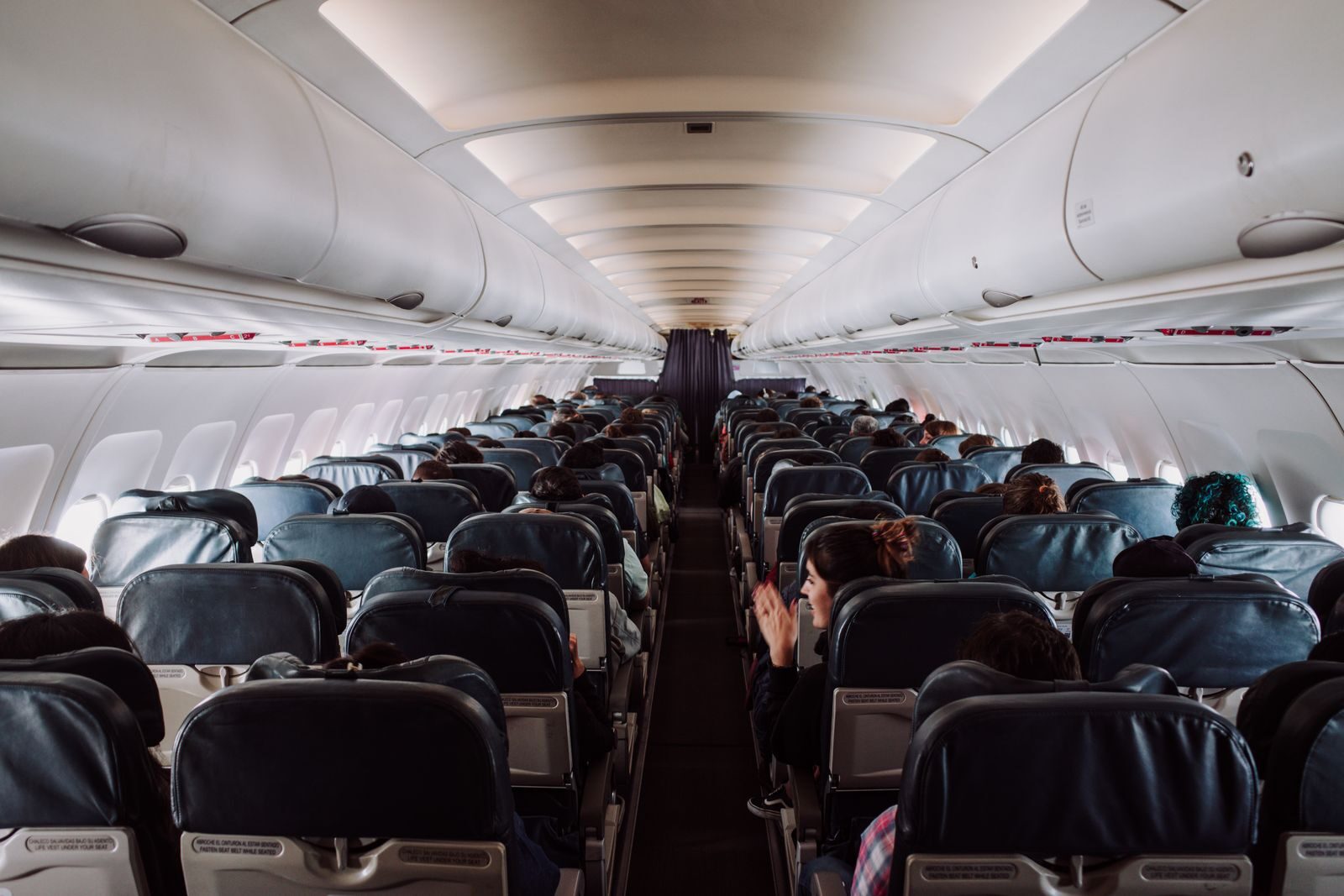
Beauty specialists say your choice of seat could be quietly sabotaging your skin on long‑haul flights. As millions head abroad for their summer getaways, experts reveal that the spot you pick on the plane may influence moisture loss and irritation far more than the skincare products you pack in your carry‑on.
Fresha, the world’s leading beauty and wellness booking platform, has examined expert insights alongside cabin airflow patterns to identify which plane seats are most likely to leave travellers with dehydrated, tight or irritated skin before they even arrive.
According to Danielle Louise, beauty expert on the Fresha app, humidity inside an aircraft can drop below 20% — drier than the Sahara Desert. When combined with recycled air, increased UV exposure at cruising altitude and long periods of sitting still, certain seats create ideal conditions for moisture loss and a compromised skin barrier.
Key findings
- Worst for skin: Window seats, due to higher UV exposure and reduced airflow.
- Best for skin: Aisle seats in the middle of the cabin, where airflow is steadier and humidity shifts are less extreme.
- Most dehydrating area: The first and last five rows, where airflow and temperature fluctuate the most.
- Surprising finding: Seats directly above the wings experience the smallest humidity changes during the flight.
- Less post‑flight irritation: Centre‑block seats (B, C, D and E on larger aircraft) are linked to less tightness and dryness after flying.
Why your seat matters
“Most people spend time choosing the right moisturiser before a flight, but very few consider where they’re sitting,” says Danielle Louise, beauty expert on the Fresha app.
Window seats expose skin to significantly more UV radiation, even when flying through cloud. At cruising altitude you’re much closer to the sun, and UV rays pass through aircraft windows far more easily than many realise. Combined with extremely dry cabin air, this can leave skin feeling parched before you’ve even touched down.
The front and rear of the aircraft also experience greater shifts in airflow and humidity. If you’re already using ingredients like retinol or exfoliating acids, your skin barrier may become even more vulnerable during a long flight.
The hydration hotspots (and danger zones)
| Seat type | Hydration impact | Why it matters |
|---|---|---|
| Window seats | Worst | Higher UV exposure, reduced airflow and the colder cabin wall all contribute to moisture loss. |
| Mid‑cabin aisle seats | Best | More stable airflow, fewer temperature changes and easier movement help support circulation and hydration. |
| Bulkhead rows | Moderate | Extra legroom, but stronger airflow from nearby vents can dry skin more quickly. |
| First and last five rows | Worst | These areas experience the biggest fluctuations in cabin pressure, airflow and humidity. |
| Seats above the wing | Better | The aircraft’s structure helps stabilise pressure and humidity changes throughout the flight. |
How to protect your skin at 35,000 feet
Danielle Louise recommends:
- Avoid retinol, AHAs and BHAs for 24 hours before flying to minimise irritation.
- Apply a rich barrier cream before boarding rather than waiting until you’re in the air.
- Use a hydrating facial mist instead of cleansing wipes, which can disrupt the skin barrier.
- Wear SPF, even on evening or overnight flights, as UV rays still penetrate aircraft windows.
- Start drinking water before take‑off instead of waiting for the drinks trolley.
Danielle adds:
“People often blame jet lag for dull, uncomfortable skin after a flight, but dehydration is usually the main culprit. Preparing your skin before you board is far more effective than trying to fix the damage once you land. A few simple changes — from choosing the right seat when you can to protecting your skin barrier ahead of time — can make a noticeable difference.”